Journal / Design Guide
Interior Design Styles for Luxury Homes: A 2026 Field Guide
Ten styles worth knowing before you renovate, build or furnish, with the materials that define each one and the mistakes that undo them.
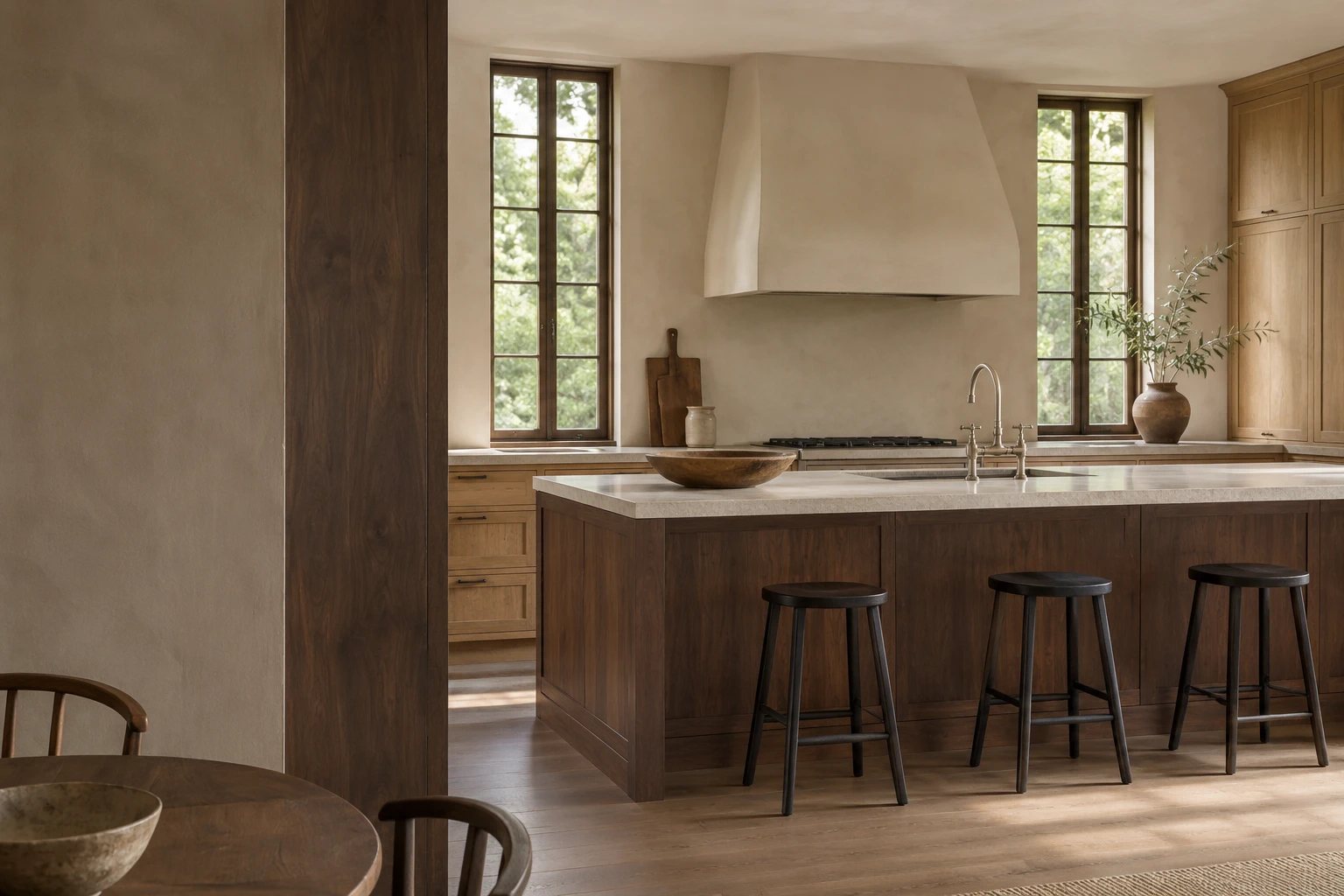
Most people know what they like long before they can name it. Style names are shorthand for those reactions, and their real use is helping everyone on a project, from designer to cabinetmaker, picture the same room.
This guide covers ten styles that come up most often in high-end homes across North Atlanta and the lake communities to the north, with what you will see and how each goes wrong. Where a style is clearly rising or fading, we cite the research.
What the 2026 research says
Houzz’s 2026 U.S. Kitchen Trends Study, which surveyed about 1,780 homeowners in July 2025, found that transitional was the most common choice among people who changed their kitchen’s style, at 25 percent, followed by traditional at 12 percent and modern at 11 percent. The same study found wood overtaking white as the most popular cabinet color, 29 percent to 28 percent.
The NKBA’s 2026 Kitchen Trends Report, built on a survey of 634 industry members, points the same way. Seventy-two percent of respondents expected transitional or timeless design to be popular over the next three years, and 58 percent said the same of organic or natural design. White oak was the most cited wood species, and natural quartzite was a leading choice for counters.
Among high-end designers, the picture is more adventurous. The 1stDibs 2026 Designer Trends Survey found maximalism and eclecticism at the top, with organic modernism close behind, and mid-century modern trending upward. Neoclassicism, by contrast, was down.
Taken together: warmth, wood and natural materials are winning, and the cool, all-white look is fading. That is the backdrop for everything below.
The styles
1. Transitional
Transitional sits between traditional and contemporary. It keeps the proportions and comfort of a classic house but strips away most of the ornament. It leads the research above because it is forgiving, ages well, and suits much of North Atlanta’s recent architecture.
You’ll see: - Shaker or simple flat-panel cabinetry, often in painted finishes or medium wood - Warm neutral walls, creamy whites, greige and soft taupe - Upholstered sofas with clean arms, mixed with one or two traditional pieces - Lantern or drum pendants, simple sconces - Polished nickel, satin brass or matte black hardware
Watch out for: played too safe, transitional becomes beige and anonymous, so it needs at least one material with real character.
2. Modern organic and warm minimalism
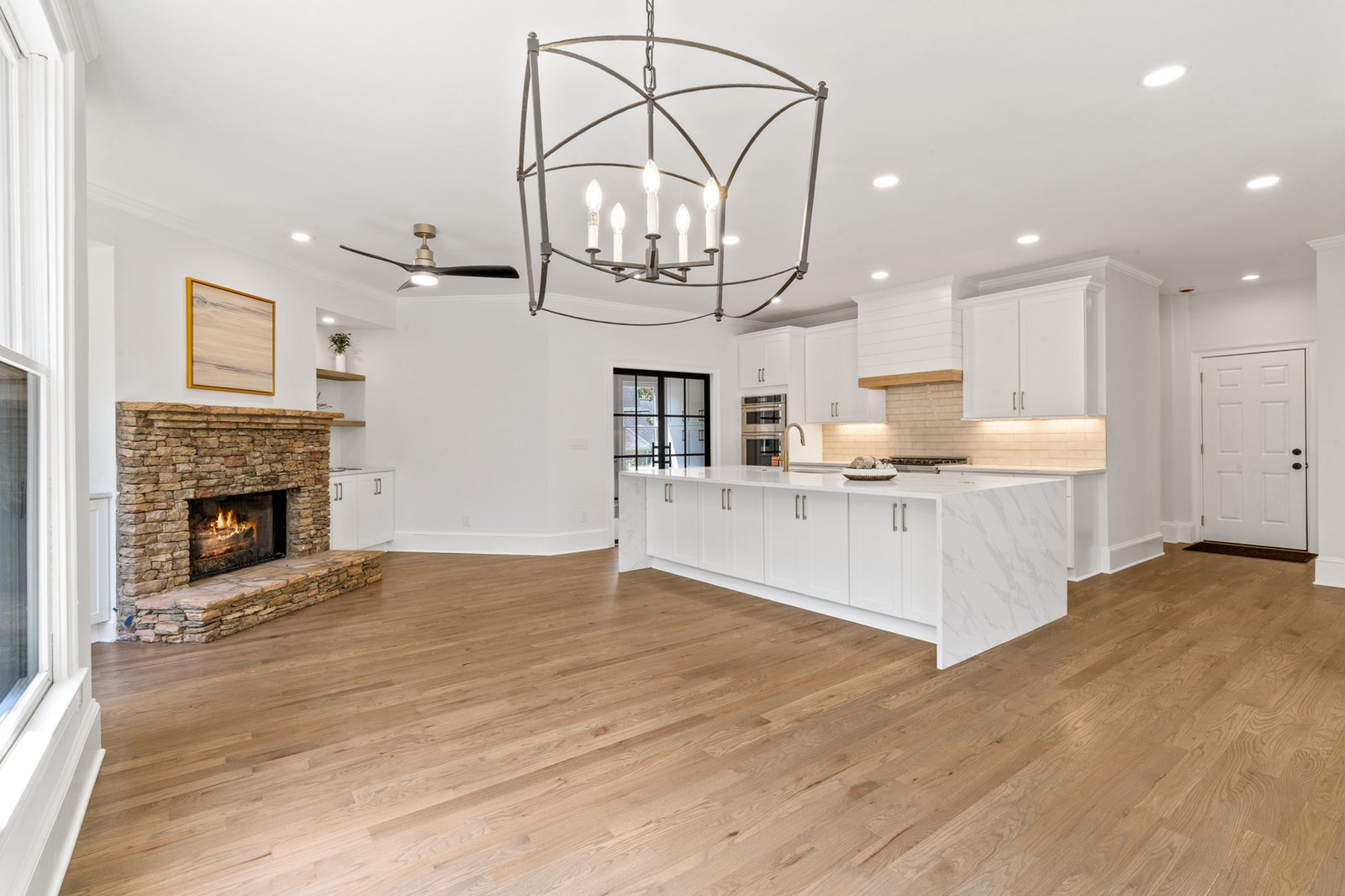
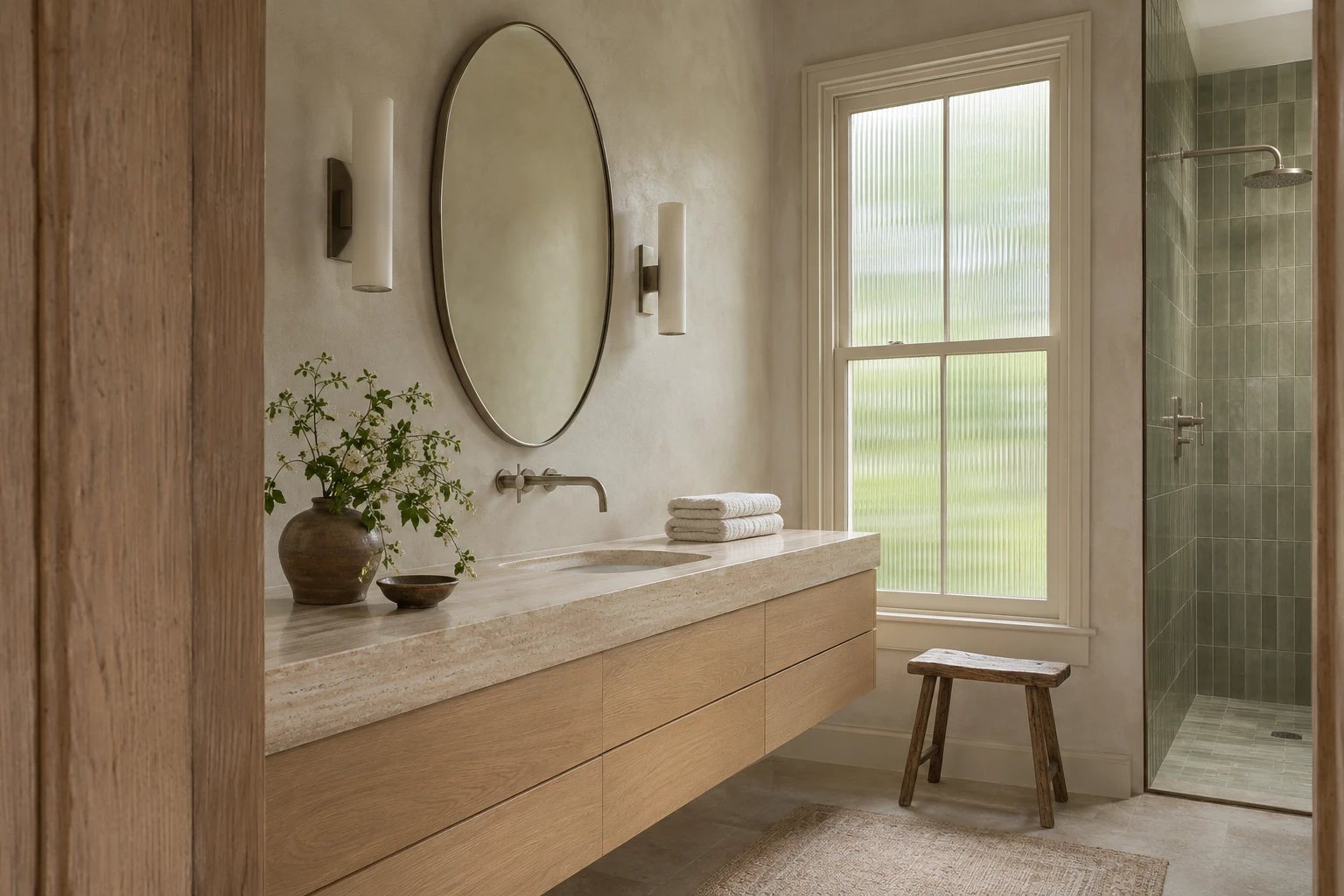
This is minimalism with the chill taken out. The rooms are still edited and quiet, but the surfaces are tactile: wood with visible grain, plaster with movement, linen that wrinkles. Homes & Gardens describes warm minimalism in late 2025 as fewer objects chosen more carefully, with creamy whites and earthy tones replacing stark white and cool gray. Dezeen’s January 2026 survey of international designers made a related point: they expect restraint in 2026, but not a return to stark minimalism.
You’ll see: - Rift-sawn white oak, walnut, limewash and plaster walls - Stone with soft veining, honed rather than polished - Low, rounded upholstery; curved and sculptural pieces - Paper, alabaster or linen-shaded lighting - Unlacquered brass or bronze that is allowed to age
Watch out for: without enough texture and contrast, it reads as a showroom rather than a home.
3. New traditional, or modern heritage
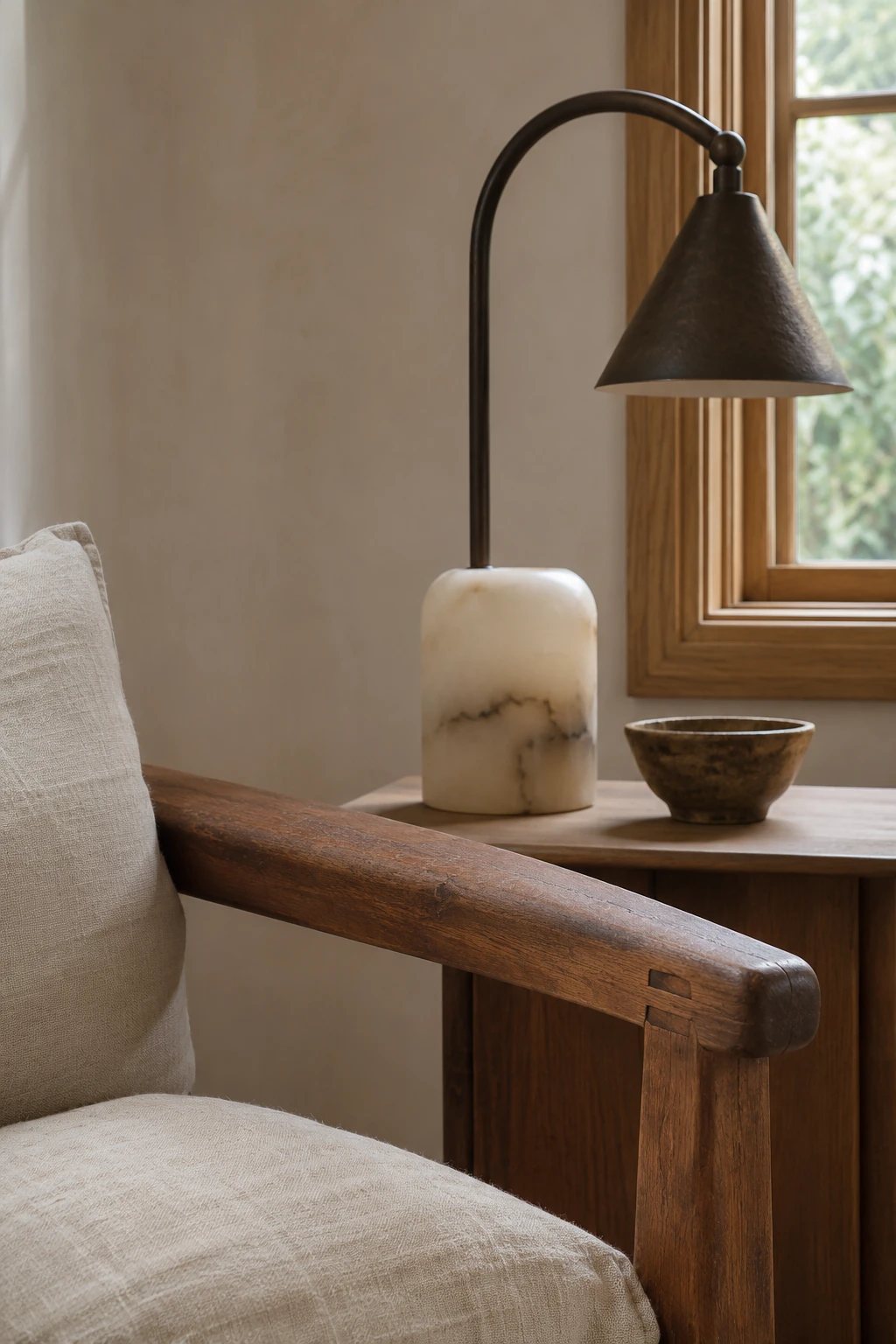
Traditional design is coming back, but lighter on its feet. Houzz’s 2026 predictions point to English country and Tudor influences, inset cabinetry, plate racks, arched range hoods and stained woods, and note that the share of homeowners choosing traditional style rose by five points in its kitchen research. Veranda’s 2026 trend report describes artisans reinterpreting classical crafts in cleaner forms: hand-troweled plaster, carved wood, inlaid stone.
You’ll see: - Inset cabinetry, furniture-style islands, paneled walls - Deep greens, olive, ocher, burgundy and chocolate brown - Antiques mixed with new upholstery; skirted sofas and pleated shades - Plaster hoods, picture lights, vintage-style sconces - Unlacquered brass, aged bronze, porcelain or wood knobs
Watch out for: it tips into period costume when every piece matches the era.
4. European farmhouse and French country
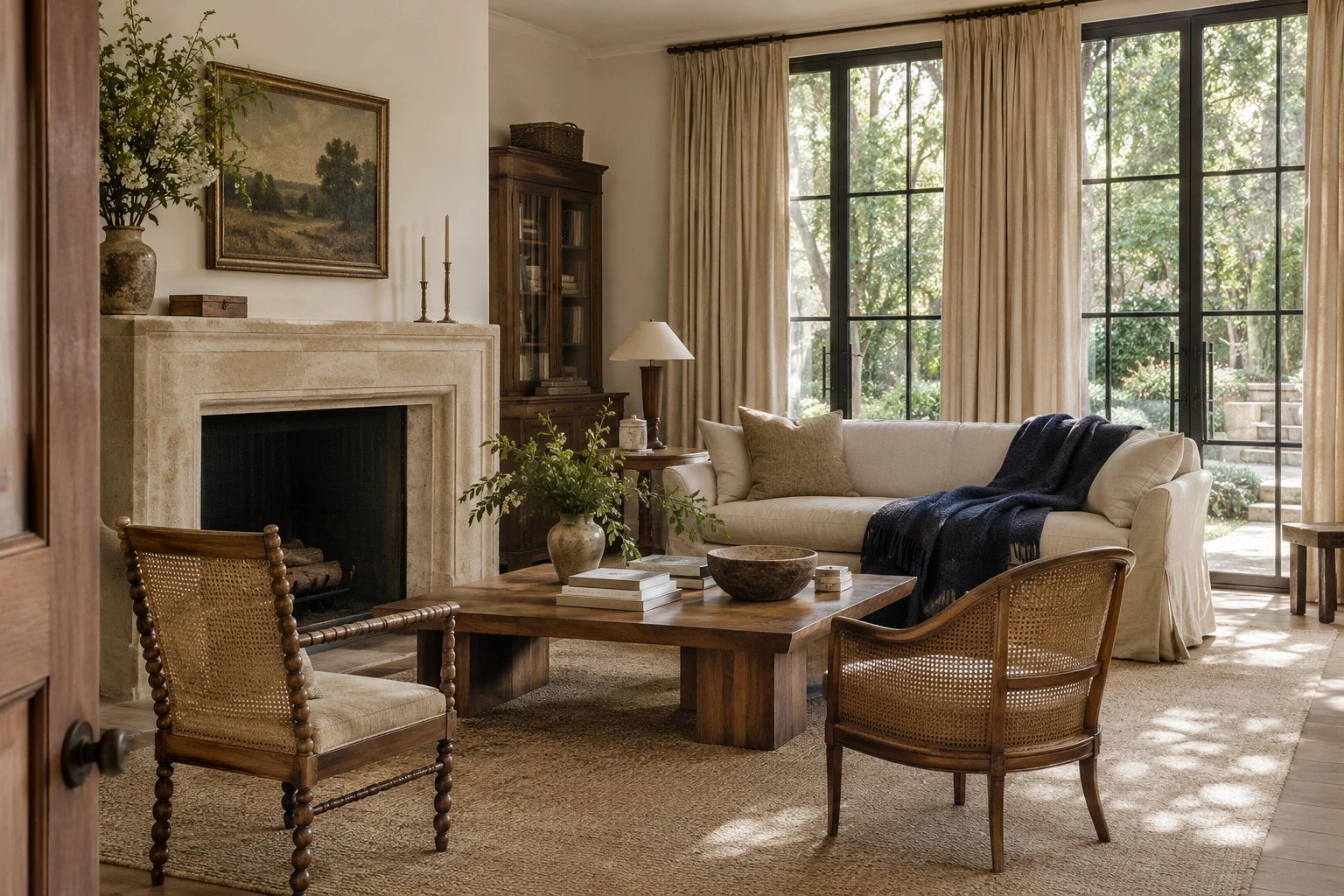
Where American modern farmhouse leaned on shiplap and white paint, the European version is older and more worn: limestone, aged timber, plaster, and furniture that does not quite match. It is a long-running favorite rather than a trend, and it suits the warmer palettes now in favor.
You’ll see: - Reclaimed or wire-brushed oak floors, often in herringbone - Limestone, terracotta and handmade tile - Linen slipcovers, rush-seat chairs, a painted armoire - Iron or wood chandeliers, simple wall lanterns - Iron, aged brass and bin pulls
Watch out for: too many distressed finishes in one room look manufactured rather than aged.
5. Japandi
Japandi blends Japanese restraint with Scandinavian comfort. Rooms are uncluttered and low to the ground, with a strong emphasis on craft and natural fiber. The 1stDibs survey found minimalism and Scandinavian modernism holding steady rather than rising or falling, which is a fair description of Japandi itself: a settled, durable approach rather than a spike.
You’ll see: - Light and dark woods together, often ash, oak and charred or stained timber - Muted clay, stone, olive and charcoal - Low platform beds, simple frames, paper or rice lanterns - Washi, linen, wool and stoneware - Recessed pulls or none at all
Watch out for: in a large Atlanta house with tall ceilings, too little furniture can make rooms feel empty instead of serene.
6. Quiet luxury
Quiet luxury is about quality you notice slowly: a perfectly made sofa, a stone slab chosen by hand, drapery that hangs just so. The label is being debated. Designer and Homes & Gardens editor-at-large Jess Cooney argued in mid-2026 that it now sits closer to minimalism, defined by fewer things of exceptional quality and a home that asks little of the people living in it. Whatever it is called, the principle holds up.
You’ll see: - Cashmere, mohair, wool bouclé and heavy linen - Tonal palettes of cream, camel, stone and soft brown - Custom upholstery and millwork with careful proportions - Integrated and concealed lighting, few visible fixtures - Minimal hardware, often in bronze or satin nickel
Watch out for: it can become a formula of expensive neutrals with no personality behind them.
7. Modern classic
Modern classic uses traditional architecture as the frame, then fills it with clean-lined furniture and art. Think paneled walls and a marble mantel beside a contemporary painting and a sculptural chair. It suits formal rooms where a full traditional scheme would feel heavy. One caution from the data: the 1stDibs survey found neoclassicism declining, so the classical elements work best as architecture, not decoration.
You’ll see: - Moldings, paneling, coffered or beamed ceilings - Marble, polished plaster, lacquer - Black, white, cream and one saturated accent - Classic chandeliers alongside modern lamps - Polished nickel and brass
Watch out for: the modern pieces need real presence, or the room just looks unfinished.
8. Coastal and lake house
For homes on Lake Lanier and nearby water, the brief is usually relaxed but not themed. Livingetc’s 2026 coverage of coastal design describes designers moving away from anchors, shells and rope, and from defaulting to pale blue, in favor of aged wood, linen, plaster, tumbled stone and colors drawn from the surrounding landscape, including deep greens and muddy browns.
You’ll see: - Wide-plank oak, painted or stained paneling, stone fireplaces - Greens, warm whites, weathered browns, soft blue in small doses - Slipcovered seating, performance fabrics, sturdy dining tables - Woven pendants used sparingly, simple sconces - Oil-rubbed bronze or aged brass that tolerates humidity
Watch out for: decor that announces “lake” in every room tires quickly, and so do fabrics that cannot survive wet swimsuits.
9. Mediterranean and Old World
The old Tuscan look, all heavy wrought iron and faux finishes, is not what designers mean now. Veranda’s 2026 report describes a looser, earthier Mediterranean built on limewash, terracotta, natural stone, natural wood and indoor-outdoor light. It suits Georgia’s long, warm seasons and homes with covered loggias and courtyards.
You’ll see: - Limewash and plaster walls, arched openings - Terracotta, zellige and natural stone floors - Olive, ocher, faded blue and warm white - Carved wood, rush and leather seating - Hand-forged iron and aged brass
Watch out for: too much ornament and dark brown quickly brings back the 2005 version.
10. Mid-century modern
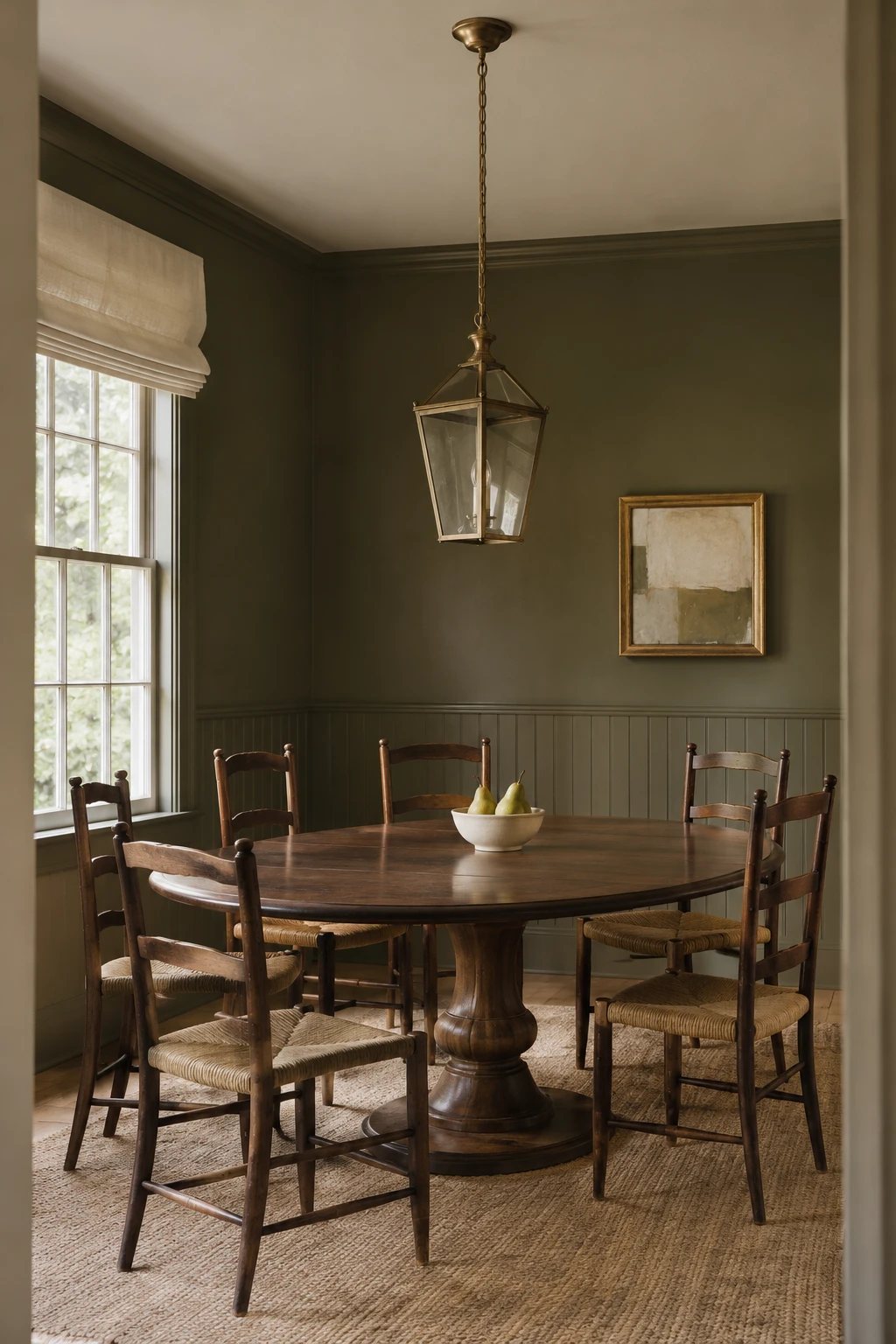
Mid-century modern, roughly 1945 to 1970, remains one of the most collected furniture styles in the world, and the 1stDibs survey found it trending up among designers. In a luxury home it rarely works as a full period scheme. It works as a layer: a vintage lounge chair, a walnut credenza, a sculptural pendant.
You’ll see: - Walnut and teak, tapered legs, molded plywood - Mustard, rust, olive, chocolate and cream - Iconic chairs and low sofas - Sculptural globe and cone lighting - Simple pulls and brass details
Watch out for: too many reproductions in one room look like a furniture catalog.
Trending or enduring
In a house you plan to keep for years, enduring styles carry less risk. Here is how the research lines up.
| Style | Status in 2026 | Basis |
|---|---|---|
| Transitional | Enduring, still leading | Houzz 2026 kitchen study; NKBA 2026 |
| Modern organic | Rising | NKBA 2026; 1stDibs 2026; Dezeen |
| New traditional | Rising | Houzz 2026 predictions |
| European farmhouse | Enduring | Long-standing favorite |
| Japandi | Steady | 1stDibs (minimalism holding steady) |
| Quiet luxury | Debated, evolving | Homes & Gardens 2026 |
| Modern classic | Enduring; neoclassical detail fading | 1stDibs 2026 |
| Coastal and lake | Evolving away from themes | Livingetc 2026 |
| Mediterranean | Rising in a lighter form | Veranda 2026 |
| Mid-century modern | Rising | 1stDibs 2026 |
Mixing styles
Very few good homes are a single style. Most combine a base and an accent. A transitional house can take a mid-century chair in the study. A modern organic kitchen can borrow an arched plaster hood from new traditional. The 1stDibs finding that eclecticism ranks near the top among designers suggests mixing is now the norm, not the exception.
Mixing works when something connects the pieces: a consistent wood tone, a repeated metal, a palette held to a few colors. It fails when each room picks its own direction.
How to find yours
You do not need to choose a label before you start. You need enough evidence to see a pattern.
- Save images without judging them. Collect forty or fifty rooms over a few weeks, without filtering for budget yet.
- Look for repeats. Lay them out together. You will usually find the same three or four things recurring: a wood tone, a kind of light, a level of clutter, a color you did not realize you favored.
- Note what you dislike. A short list of rooms that bother you is often clearer than the list you love.
- Think about how you live. Large dogs, young children, frequent entertaining and weekend lake guests all shape which materials and fabrics make sense, whatever the style.
- Respect the house. A style that fights the architecture will cost more and look less settled than one that works with it.
How we help
At Joist and Linen, defining a direction is the first step of every project. We review your saved images with you, walk the house, and talk through how each room is used. From there we put together a short material and furniture palette that the whole project follows, from the framing to the final pillow. Because the same person designs the renovation, manages the construction and furnishes the rooms, the direction you choose at the start is the one you live with at the end.
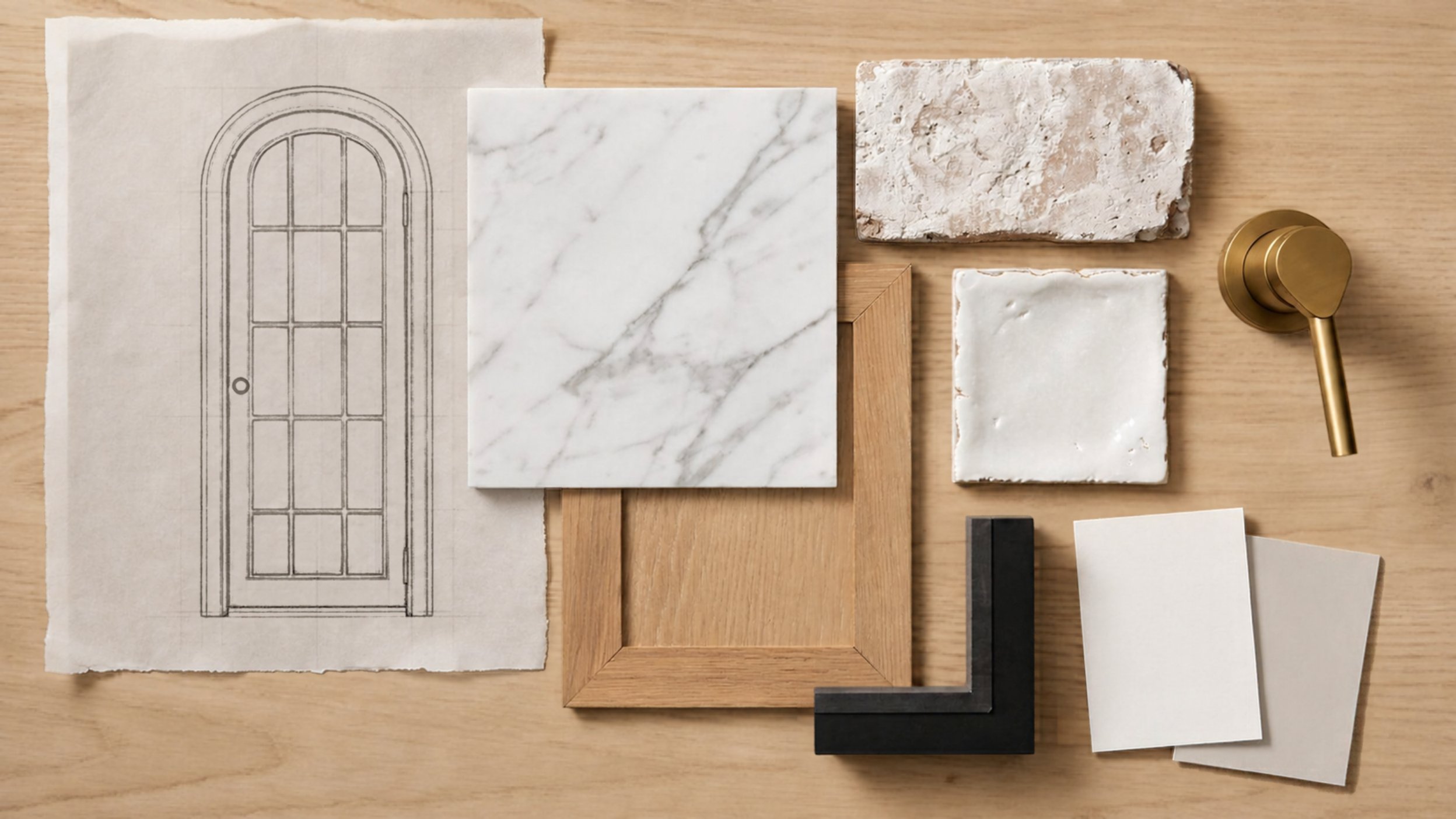
Our own leaning is warm and natural: limewash and marble, white oak and black steel, hand-glazed tile, linen and aged brass. But the right style is the one that fits your house and your life. If you are planning a renovation, new build or furnishing project in North Atlanta or on the lake, we are glad to talk it through.
Sources
- 2026 U.S. Houzz Kitchen Trends Study press release, Houzz, 2026
- 25 Home Design Trends Defining How We’ll Live in 2026, Houzz, 2026
- NKBA | KBIS Releases Annual 2026 Kitchen Trends Report, NKBA, 2025
- The 1stDibs Guide to 2026 Designer Trends, 1stDibs, 2025
- Interior design in 2026 will opt for “curated calm over superficial opulence”, Dezeen, 2026
- Warm Minimalism Is the Single Biggest Trend Designers Say They’re Adopting, Homes & Gardens, 2025
- The Meaning of Quiet Luxury in 2026, Homes & Gardens, 2026
- Designers Predict a Fearless New Era for Interiors in 2026, Veranda (via AOL), 2026
- The Coastal Design Trends for 2026, Livingetc, 2026